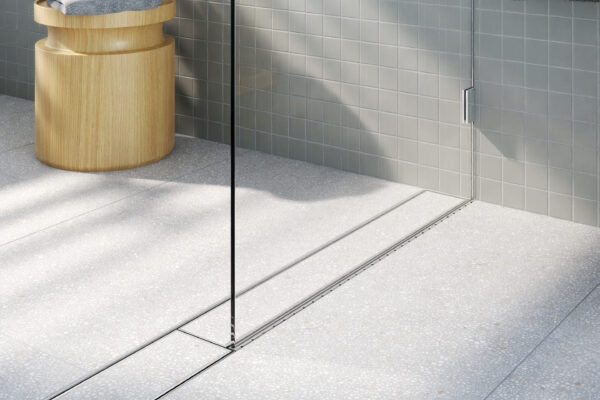
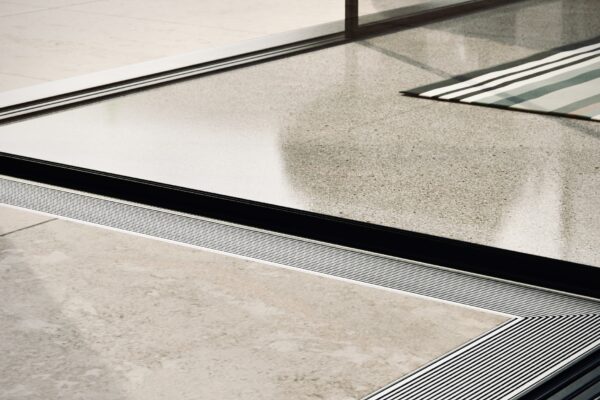
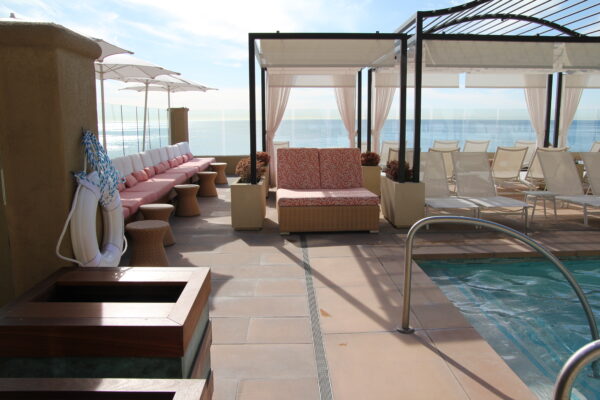
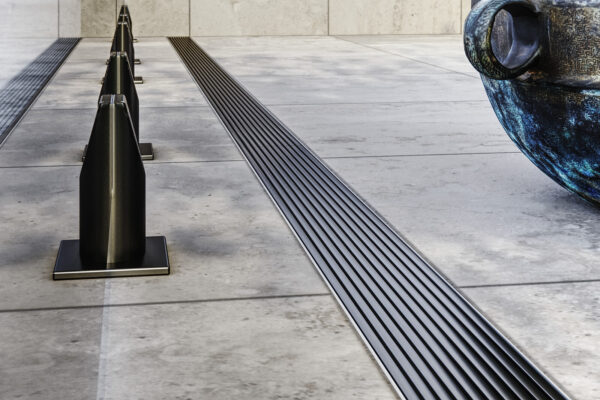
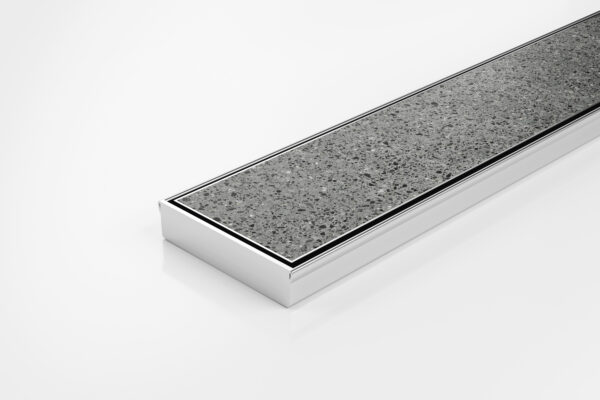
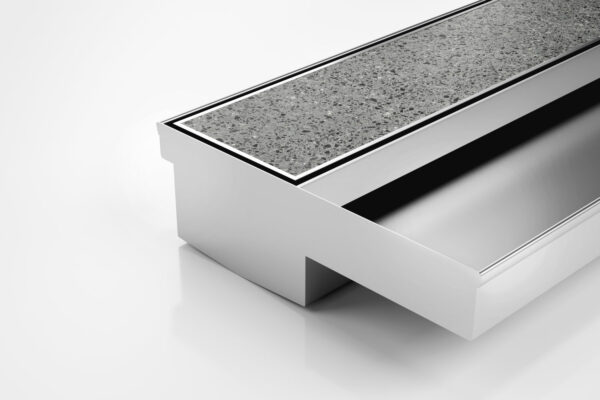
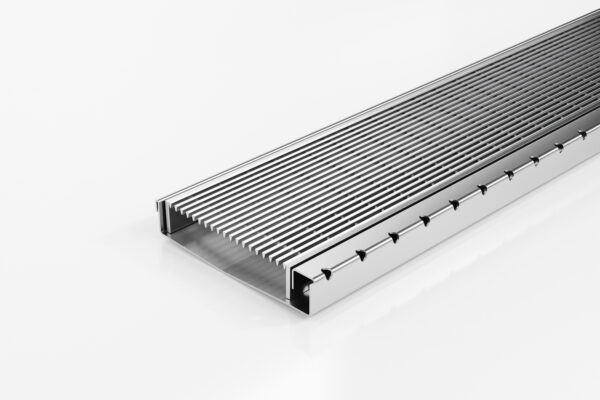
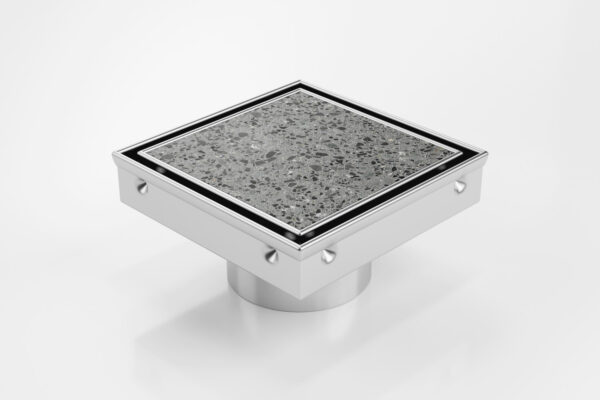
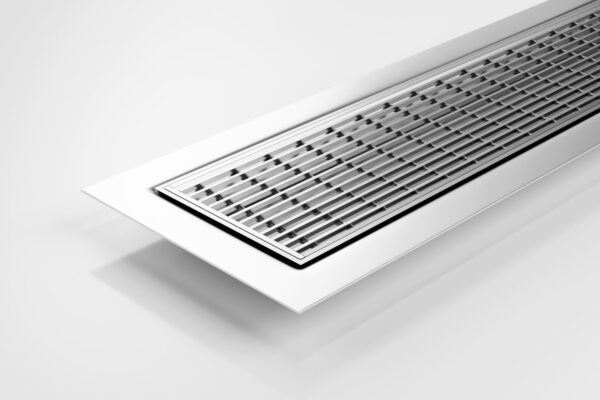
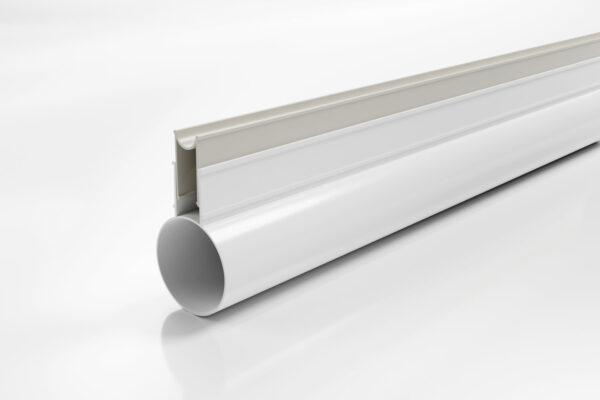
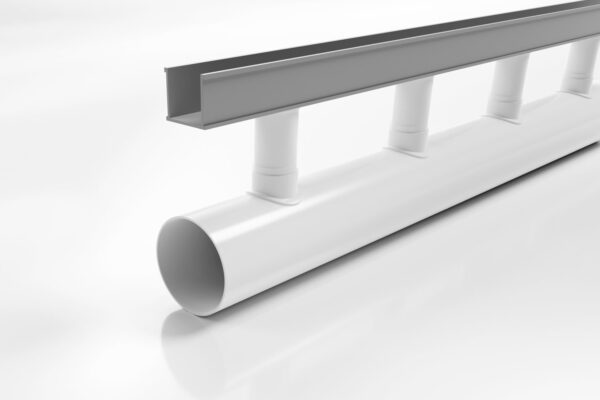
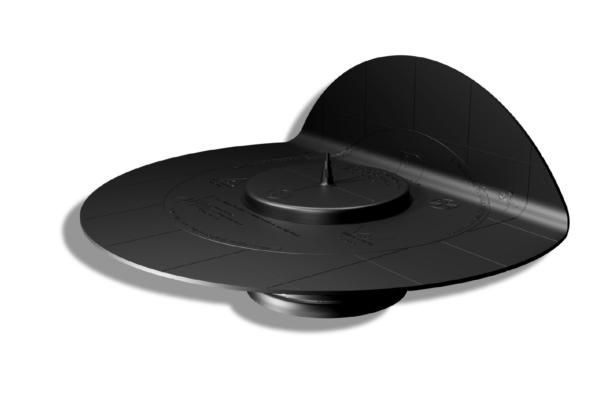
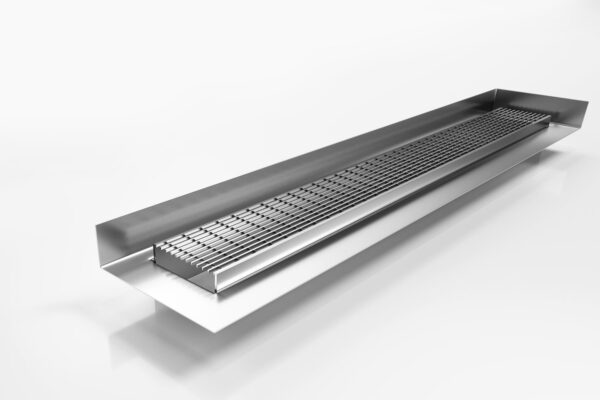
As multi-residential construction continues to accelerate across Australia, attention is increasingly turning to a critical but often overlooked element of building performance: balcony drainage.
Balconies remain a highly desirable feature, offering occupants a seamless connection between indoor and outdoor living. However, without effective water management, these spaces can become a significant source of structural risk. Poor drainage design can lead to water accumulation, resulting in long-term issues such as waterproofing failure, water ingress, and material degradation.
Industry professionals are reporting a growing number of defects linked to balcony construction, particularly in complex, high-density developments. As architectural designs become more ambitious, the demands on drainage and waterproofing systems have intensified, increasing the likelihood of failures when not properly addressed during the design phase.
For architects, developers, and designers, these issues present both a challenge and an opportunity. Addressing drainage early in the project lifecycle is essential to ensuring building durability, reducing maintenance costs, and protecting occupant satisfaction. Inadequate solutions can lead to costly remediation works, reputational risk, and compliance concerns.
Stormtech is contributing to this ongoing industry conversation through its CPD Live session, which examines the root causes of balcony leaks and explores effective drainage strategies to mitigate water ingress. The session also provides insight into upcoming regulatory changes, including the 2025 update to the National Construction Code (NCC), which is expected to place greater emphasis on compliance and performance in external waterproofing and drainage design.
With increasing scrutiny on building quality across Australia, the role of well-designed drainage systems has never been more important. As the industry adapts to evolving standards, integrating reliable, compliant drainage solutions into balcony design will be key to delivering long-term building performance.