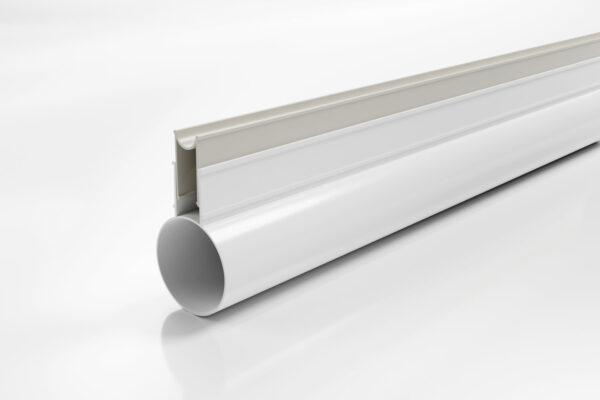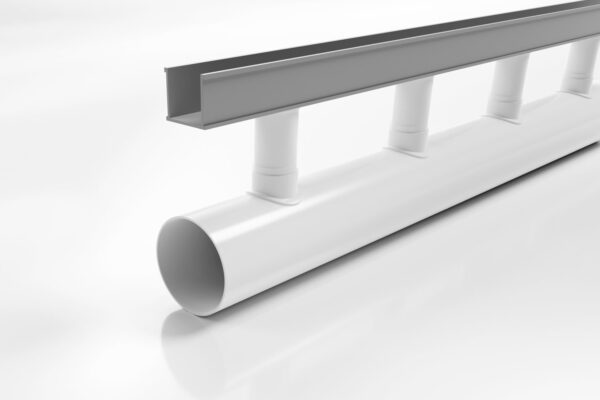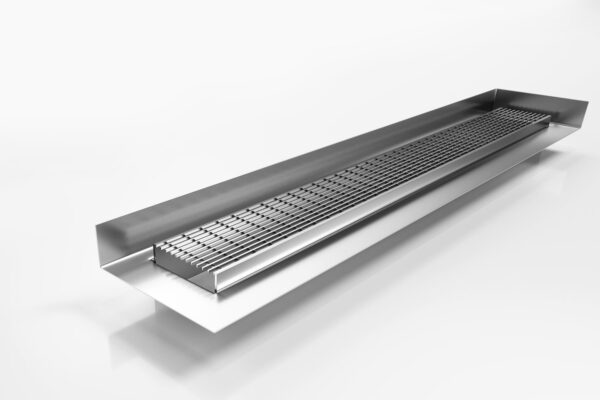


Compliant waterproofing, especially around floor wastes and penetrations can be tricky.
A standard rigid leak control flange cannot be installed hard against a wall, due to the minimum 50mm adhesion area + additional 20mm to not interfere with the bond breaker. This often forces installers to risk non-compliance, modify the design, or find costly alternative solutions.
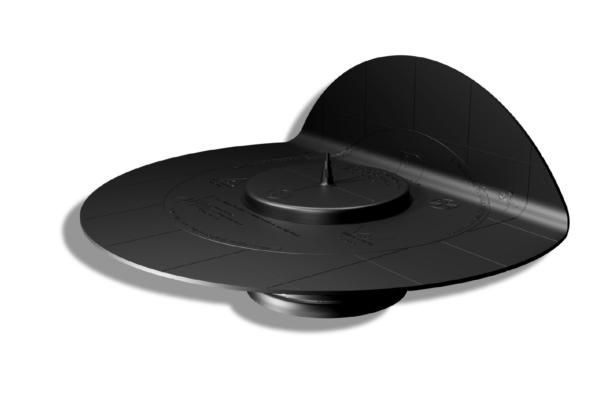
FlexiFlange is a first of it's kind, Watermark certified flexible PVC leak control flange that can easily bend to a variety of substrate contours - most commonly up the wall - overlaying the bond breaker and enabling deemed-to-satisfy compliant water proofing and drainage installation.

| Product Code | 100Flex |
| Range | 300mm |
| Kit Type | Unit |
| Watermark | |
| Compatible Pipes | DN100 |
| File | File Size | Download |
|---|---|---|
| Product Specifications | download Download | |
FlexiFlange Quick Install Guide |
||
| Flexi Flange Quick Install Guide | (1,165.1 KB) | download Download |
Yes, the Flexiflange can be installed in a wide variety of substrate contours, including flat - provided it is installed correctly as per our installation guide. The flange is oversized and can be trimmed down to the limit of the no cut area marked on the top surface.
The FlexiFlange is compatible with DN100 plumbing pipe and connects by a simple compression push fit.
It is designed to suit all of Stormtech's 89mm DN100 drainage outlets.
FlexiFlange is a PVC flange designed to create a secure, flush connection between the floor substrate and the drainage pipe, providing a reliable base for waterproofing membranes in wet areas. It helps ensure compliance with AS3740 by allowing the wall/floor junction and membrane to be correctly detailed around the floor waste.
After the flange is bonded and the flange/substrate transition is sealed with a flexible sealant, apply PVC primer to the top side of the flange. The waterproofing membrane is then applied using FlexiFlange’s integral 1 mm and 2 mm thickness gauges as a guide while the protective cap remains in place for flood testing.
Please note water proofing should only be completed by a licensed professional
Once flood testing of the membrane is complete and the area is ready to tile, the cap can be removed. Take great care when removing cap to avoid contacting the membrane at all times. Using a sharp blade, carefully cut above the membrane, cutting from the top down at the back edge to avoid the wall and making a second pass to trim any protruding edges without damaging the membrane.
Yes, the substrate must be properly prepared and the wall and floor junction detailed in accordance with AS3740 before installation. The recess you cut should be smooth and shallow so the flange sits flush, and all primers and sealants must be selected for compatibility with both the PVC flange and the substrate.