Stormtech logo
Capri Villas 7507
Continuing Professional Development (CPD) Learning for Architects

CPD

stormtech icon
CPD Live May Marketing pack 1 1 Stormtech4 2048x1365

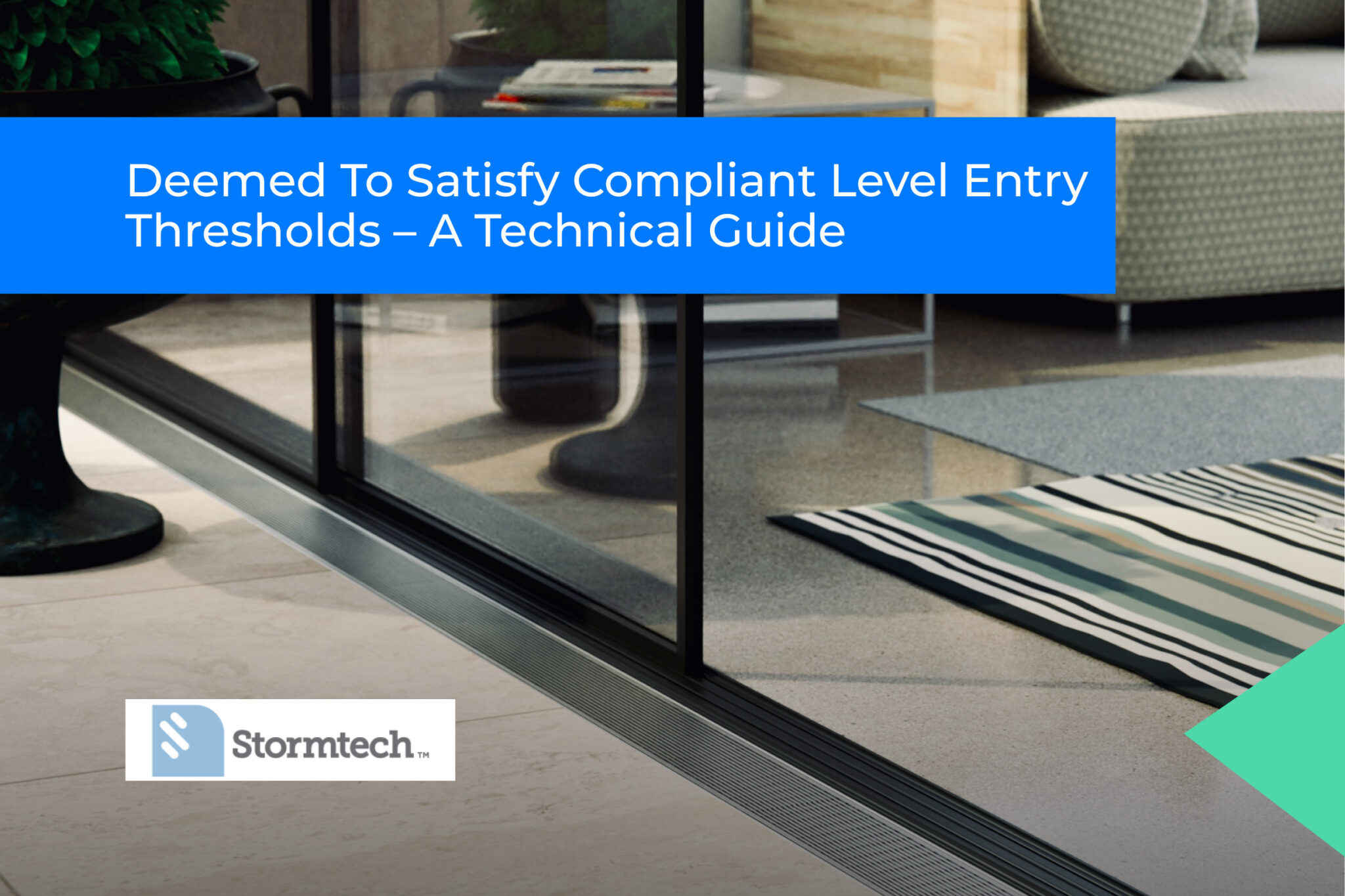
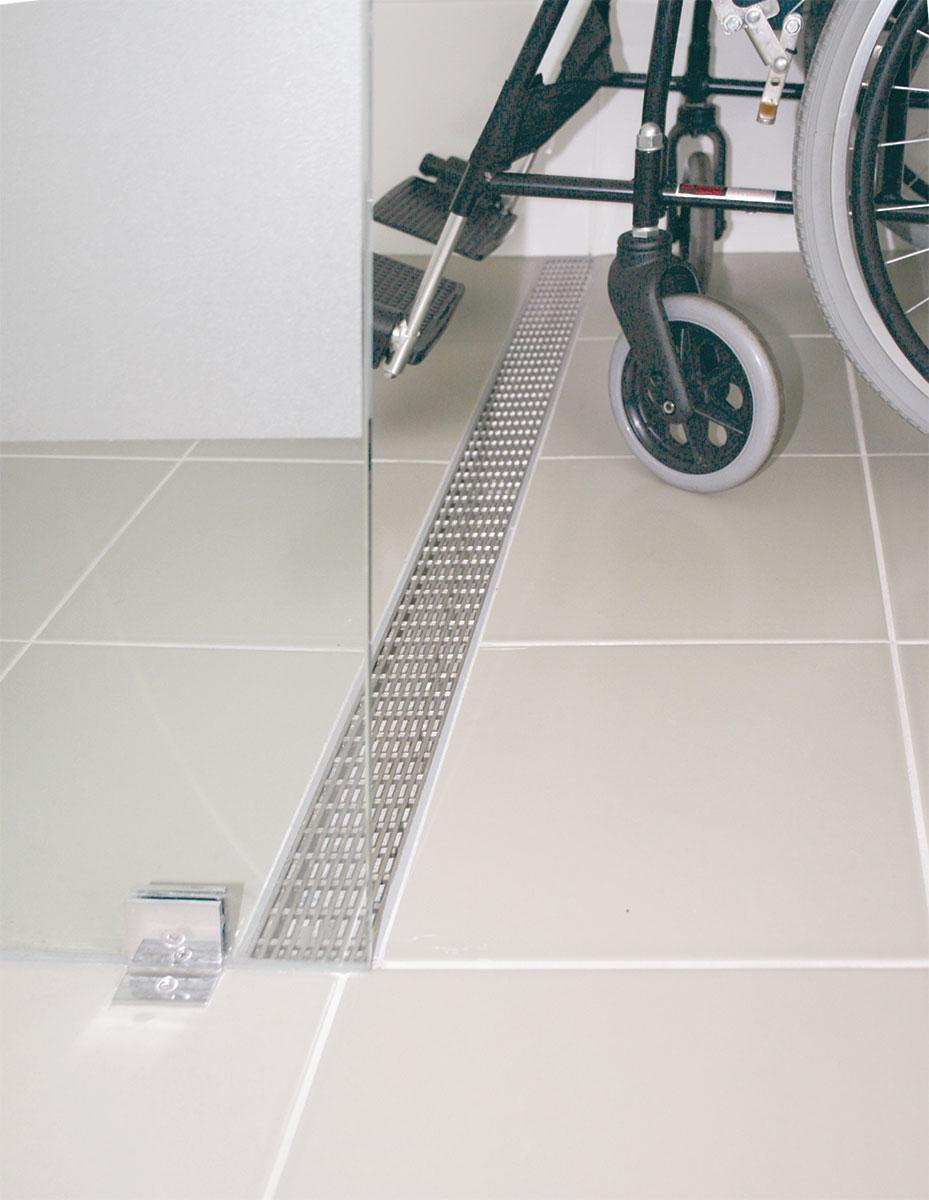
Deemed-to-Satisfy Compliant Level Entry Thresholds - On-Demand (1 Formal CPD Point)

icon

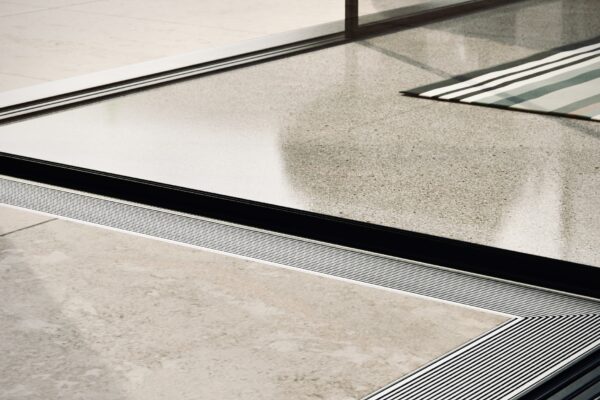
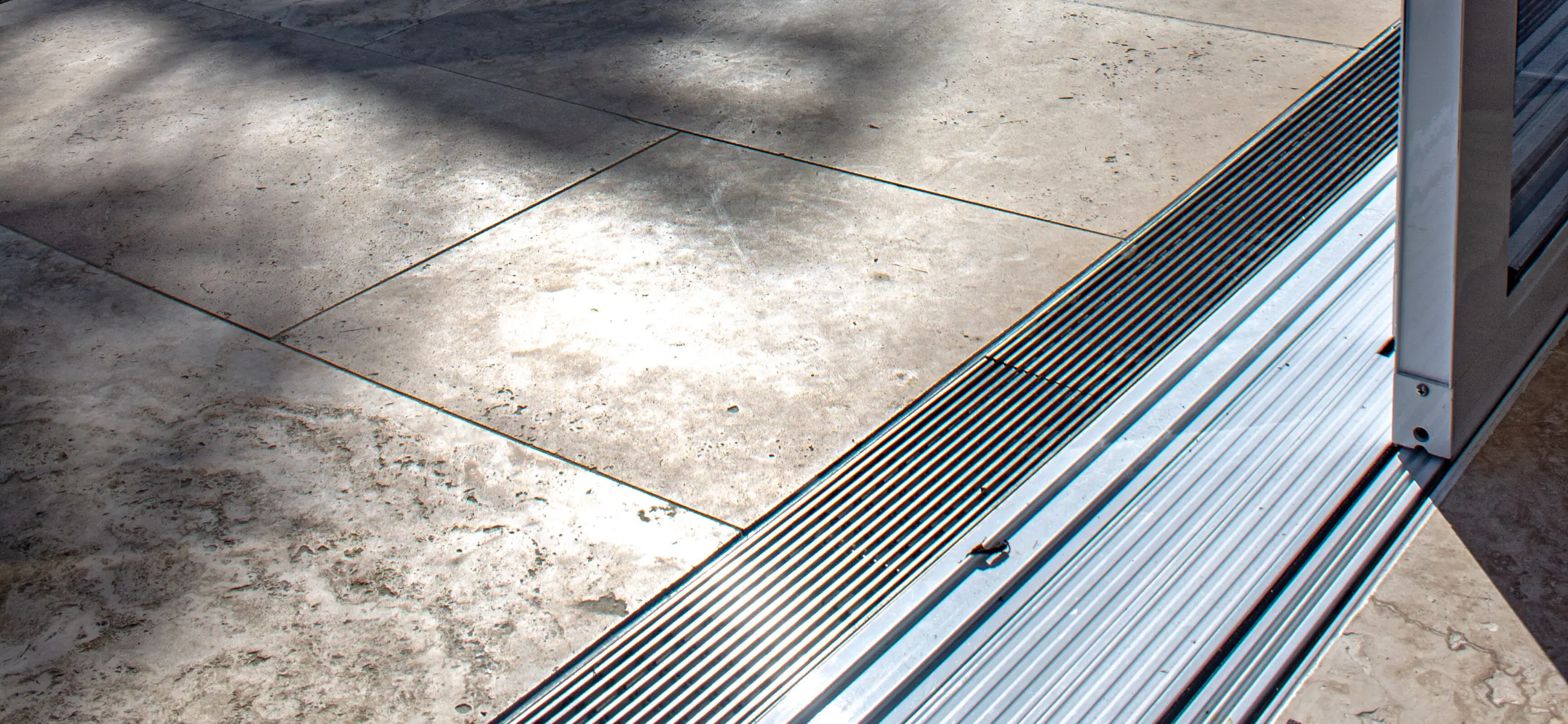
As with all aspects of the construction sector, the specification of level entry thresholds in Australia involves compliance with the National Construction Code (NCC).

As is also standard, compliance of these products can involve either the more prescriptive and standardised Deemed-to-Satisfy (DTS) solutions, or Performance Solutions (which vary according to the specific job).

In the case of level entry thresholds, the DTS option is broadly acknowledged as the way to go. For these products, specifiers generally see Performance Solutions as not just unnecessary but too expensive. That said, the pathway to DTS compliance is not as clear as it could be.

This CPD Live Session is intended to address that lack of clarity. Beginning by outlining the relevant regulations, their purpose, and their origins, our speakers will point to expected changes to the NCC and the ways they are likely to impact the installation of level entry thresholds.

From there, they will go on to outline the clearest and simplest pathway to not just DTS compliance but best practice.
icon

At the end of this presentation, you should be able to:

  • Outline the regulations that apply to the installation of Level Entry Thresholds in Australia
  • Explain why, across the industry, DTS Solutions are generally regarded as preferable to Performance Solutions when specifying Level Entry Thresholds
  • Explain the origin of the NCC regulations that address Level Entry Thresholds
  • Outline the best and simplest ways to meet the DTS requirements of the NCC requirements when specifying Level Entry Thresholds
Aged Care Drainage 06

Drainage Design Considerations for Livable Housing - In Person / Webinar (1 Formal CPD Point)

icon

The objective of the Livable Housing Design Standard is “to ensure that housing is designed to meet the needs of the community, including older people and those with a mobility-related disability.”

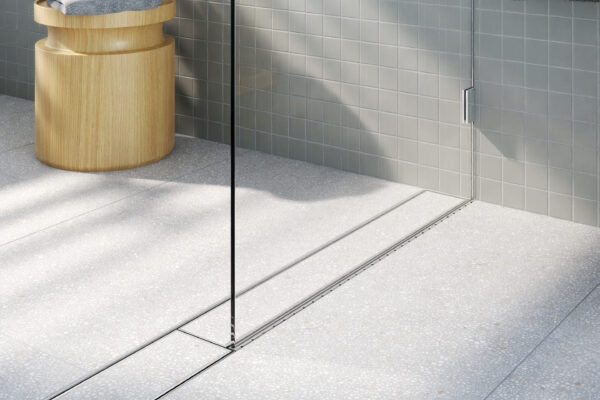
Effective drainage systems play a critical role in liveable housing design.

Poor drainage can lead to slip and trip hazards, poor hygiene and costly structural damage – all of which can contribute to a loss of amenity for a dwelling's inhabitants.

Selecting a purpose built, and liveable housing compliant solution ensures that drainage integrates seamlessly within a space, does not hinder mobility and is easy to maintain.

This presentation looks at the fundamental principles of Livable Housing Design and suggests practicable drainage solutions aligned with the standard with design benefits that extend beyond compliance.

icon

At the end of rhis presentation you should be able to:

  • Understand the core principles and importance of Livable Housing Design.
  • Identify key drainage design considerations specific to Livable Housing bathrooms.
  • Identify threshold drainage solutions and their application in Livable Housing.
  • Gain practical knowledge to implement compliant and functional drainage systems for livable housing.